5 Cocktail Mistakes Killing Your Home Bar
Bad proportions? Warm spirits? Wrong glassware? These five mistakes tank every drink you make. Here's exactly how to fix each one in under a minute.
The Charcoal N Chill team · · 9 min read
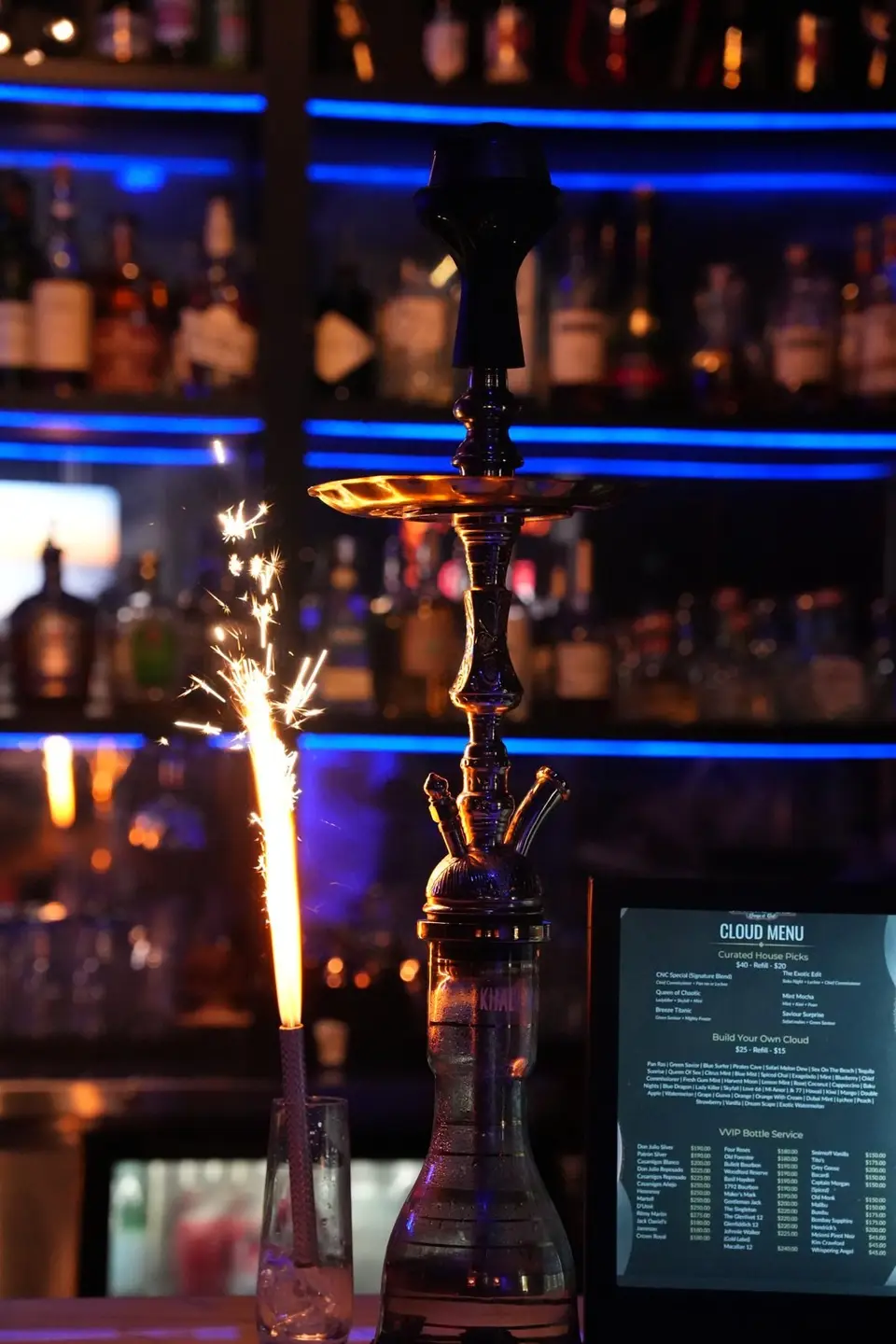
Updated May 2026 — fresh perspective after a full spring cocktail season at Charcoal N Chill.
You've invested in bottles, ice, and glassware. But your cocktails still taste flat, too strong, or watered down. The problem isn't your ingredients—it's your technique. Most home bartenders make the same five critical errors, and each one has a dead-simple fix.
What are the most common cocktail mistakes ruining your home bar?
A solid home bar doesn't require a bartending license. It requires precision, temperature control, and understanding why each step matters. Charcoal N Chill has spent years perfecting craft cocktails for our bar program, and we've noticed that home bartenders consistently stumble on the same five points. Fix these, and your drinks will rival what you order in Alpharetta's best cocktail lounges.
Why does your cocktail taste watered down halfway through?
Your ice is melting too fast because you're not using dense enough ice or you're not chilling your glass first.
- Most home ice makers produce soft, porous cubes that melt in under 90 seconds
- A watered drink means dilution above 25%—your spirit gets thin and the balance collapses
- You skip the chill step: pouring a room-temperature cocktail into a room-temperature glass accelerates melt
- Dense, clear ice (from silicone molds or a commercial ice maker) melts 40% slower than regular cubes
- Pre-chilling your glass by filling it with ice water for 30 seconds before pouring cuts dilution by half
- Your shaker isn't cold enough before you start—a warm shaker never properly cools the liquid
- The fix: Buy 2-inch cube molds ($15–25), fill them 24 hours ahead, and always chill your glass first
- Pro move: Freeze a Coupe glass in your freezer 10 minutes before serving up a Daiquiri or Martini
- If you're in North Atlanta and want to see ice done right, stop by Charcoal N Chill and watch our bartenders work—every drink sits on crystal-clear, dense ice
Are you measuring your cocktails by eye instead of with jiggers?
Eye-pouring is why your drinks taste inconsistent and why some are 40% ABV and others are barely 20%.
- A standard jigger (the double-sided measure) has two sides: 1.5 oz (jigger) and 0.75 oz (pony)
- One extra splash of spirit changes the entire balance—a Margarita needs exactly 2 oz tequila, 1 oz lime, 0.75 oz Cointreau
- You think you're "eyeballing" accurately, but human perception varies 10–15% every pour
- Master bartenders still use jiggers every single time—there's no "eyeball method" for precision
- The fix: Invest in a weighted jigger ($8–15) and measure every ingredient without exception
- Write down your recipe before you start—a Daiquiri is 2 oz rum, 1 oz fresh lime juice, 0.75 oz simple syrup (nothing else)
- If you pour 2.5 oz rum, you've just made a spirit-forward mess—0.5 oz changes the whole drink
- Pro tip: Use a scale if you want obsessive precision—gram weight is more accurate than volume for syrups and creams
- Every cocktail at Charcoal N Chill is measured to the milliliter; that consistency is why people order the same drink twice
Why does your spirit taste harsh and burn your throat?
You're using cheap, hot bottles or you're not chilling the drink enough before serving.
- Low-quality spirits have higher congener content (byproducts of fermentation) that taste harsh and cause headaches
- Room-temperature spirits coat your throat and taste aggressive—cold mutes bitterness and softens burn
- You're shaking or stirring for only 10 seconds when you need 15–20 seconds of continuous contact with ice
- The drink needs to drop below 32°F (0°C) to achieve proper mouthfeel and balance
- Cheap vodka or whiskey will taste cheap no matter how you prep it—upgrade your base spirits
- The fix: Buy mid-tier spirits (spend $25–40 per bottle minimum) and always chill for 20 full seconds
- Examples that work for home bars: Buffalo Trace bourbon, Tanqueray gin, Espolòn tequila, Ketel One vodka
- If you're serving a Martini, stir, don't shake—the gentler action chills the drink while maintaining clarity and silky mouthfeel
- Stir a Negroni for 30 seconds; it should be so cold the glass frosts on the outside
- Pro move: Freeze your mixing glass before you start stirring—the pre-chill cuts your time in half
Are you using the wrong glassware for each cocktail?
Serving a Daiquiri in a Rocks glass or a Negroni in a Coupe is like serving wine in a coffee mug—the vessel shapes how you taste.
- Glassware affects the temperature retention, aromatic release, and how your lips meet the drink
- A Coupe (tall, delicate) is for up drinks like Daiquiris and Sidecars—it chills the spirit and keeps bubbles off your nose
- A Rocks glass (short, heavy) is for stirred, spirit-forward drinks on the rocks—Negroni, Old Fashioned, Margarita on rocks
- A Highball (tall, narrow) is for long drinks—Gin & Tonic, Dark & Stormy, Rum & Coke
- A Nick & Nora (hybrid Coupe, rounded bowl) is ideal for shaken drinks—it's the Goldilocks of cocktail glasses
- A Tiki mug is for tropical, rum-forward drinks—it's fun, distinctive, and keeps your hand from warming the drink
- The fix: Buy a set of four basic glasses ($30–50): 2 Rocks, 2 Coupes, 1 Highball
- Don't serve a Daiquiri in a Rocks glass—it warms up in 3 minutes and tastes flat
- Serve a Martini in a chilled Coupe, and serve a Margarita in a Rocks glass on the rocks (never blended unless you like slush)
- At Charcoal N Chill, we pair our craft cocktails with glassware that keeps them at peak temperature and flavor for the entire drink
- Pro move: Label your glasses with painter's tape if you're still learning—Rocks, Coupe, Highball, Tiki
Are you making simple syrup wrong or using it at the wrong ratio?
Wrong proportions of sugar-to-water make the syrup either too thin (your cocktail tastes thin) or too thick (it settles at the bottom and won't mix).
- Standard 1:1 simple syrup is 1 part sugar + 1 part water by weight (equal volumes = roughly equal weight)
- Boil the water, remove from heat, add sugar, stir until dissolved, let cool completely—never use hot syrup in cocktails
- A Margarita needs 0.75 oz simple syrup; if your syrup is too thin, it contributes water instead of sweetness
- If it's too thick (2:1 ratio), it's sticky and won't fully integrate—you'll taste graininess at the bottom of the glass
- You're using store-bought syrup that's loaded with corn syrup and artificial vanilla—it mutes the spirit
- The fix: Make 1:1 syrup at home in 5 minutes and it lasts 4 weeks in the fridge
- Recipe: Boil 8 oz water, remove from heat, add 8 oz caster sugar, stir 1 minute, cool in a bowl of ice water
- Measure it in a clean glass bottle and label it with the date—throw it out after 30 days
- Pro upgrade: Make 2:1 rich syrup (2 parts sugar, 1 part water) for drinks like Old Fashioned and Sazerac—the extra sugar adds body and silky mouthfeel
- Example: If your Margarita tastes thin, you're either under-measuring the syrup or using weak syrup—test by tasting a spoonful on its own
- At Charcoal N Chill, we make fresh syrup daily and rotate in seasonal variations (paan spice syrup, cardamom, ginger) for our signature cocktails
Are you shaking vs. stirring the wrong drinks?
Shaking a Martini clouds it and breaks the spirit; stirring a Sour leaves it warm and unbalanced.
- Shake any drink with citrus juice, cream, eggs, or syrup—the vigorous motion aerates and chills evenly
- Examples to shake: Daiquiri, Margarita, Whiskey Sour, Pisco Sour, Cream cocktails (Brandy Alexander, etc.)
- Stir spirit-forward, no-juice drinks—Martinis, Negronis, Manhattans, Sazeracs—stirring is gentler and keeps the drink clear and silky
- Shaking a Martini with gin or vodka will cloud it (ice crystals + air bubbles); stirring keeps it translucent and elegant
- You're shaking too short (under 10 seconds) or too soft—vigorous shaking for 15 seconds chills and dilutes correctly
- The fix: Memorize this rule: If it has citrus or cream, shake it. If it's only spirit + bitters/vermouth, stir it.
- Shake hard—your arm should be moving fast enough that an onlooker can see real motion and hear the ice crack
- Hold the shaker with both hands (one on the drink portion, one on the mixing portion) for stability and power
- Stir for 30 seconds in a mixing glass (not a cocktail shaker) with a bar spoon—the long handle keeps your hand out of the cold liquid
- Pro move: Count "1 Mississippi, 2 Mississippi" up to 15 for shakes and 30 for stirring—consistency beats instinct
Why does your citrus juice taste stale or chemical?
Bottled or store-bought juice oxidizes and tastes like tin; fresh-squeezed juice only lasts 24 hours and most bars waste it.
- Fresh lime or lemon juice lasts exactly 24 hours when refrigerated—after that, it oxidizes and turns bitter
- You're buying pre-packaged lime juice (even the ones labeled "fresh")—they contain preservatives that taste chemical and flat
- You're squeezing juice the night before and leaving it on the counter—it oxidizes within 4 hours at room temperature
- A Daiquiri made with oxidized lime juice tastes metallic and thin; made with fresh lime juice it tastes bright and balanced
- The fix: Squeeze fresh citrus 1–2 hours before you make cocktails and keep it in a closed bottle in the fridge
- Use a handheld citrus juicer (the clamshell style, $5–10) or an electric press for consistency
- One medium lime yields about 1 oz juice; one medium lemon yields about 1.5 oz juice
- Pro move: Juice in bulk on Friday if you're making drinks all weekend—keep it in a glass jar with a lid
- If you're making 5 Margaritas, you need 5 oz fresh lime juice—don't skimp or substitute
- At Charcoal N Chill, we hand-squeeze every drink because bottled juice would cheapen our cocktail program
Are you forgetting bitters or using them wrong?
Bitters are the spice rack of cocktails—a few dashes change the entire flavor profile, but skipping them makes the drink one-dimensional.
- Angostura bitters (the standard) add warmth and spice to Sours, Old Fashioneds, and spirit-forward drinks
- A dash is 1/8 tsp or roughly 2–3 drops from the bottle—most home bartenders either skip bitters entirely or overdose them
- Bitters float on top if you don't stir them in; the drink tastes flat on the first sip and spiced on the last
- The fix: Add 2–3 dashes of Angostura to any stirred drink and stir for 30 seconds to fully integrate
- Examples: Old Fashioned (2 dashes), Negroni (no bitters, but 2 dashes in a variation), Sazerac (3 dashes rye whiskey + 2 dashes bitters)
- Upgrade: Buy a second bitters for variety—Peychaud's bitters (anise-forward, for Sazeracs), Chocolate bitters (for whiskey drinks), Orange bitters (for Martinis and Sours)
- A bottle of bitters lasts a year because you use so little—it's a cheap way to add complexity
- Pro move: Experiment—add 2 dashes of orange bitters to a Margarita and taste the difference
- Bitters are not optional; they're the finishing spice that separates a flat cocktail from a balanced one
Do you chill your bottles and mixers before they hit the shaker?
Warm mixers (vermouth, liqueurs, syrups) make the drink slow to chill and dilute unevenly.
- A bottle of vermouth or liqueur sitting on your shelf at 70°F will warm your cocktail by 5–10 degrees compared to chilled vermouth
- You need your drink to reach 28–32°F (−2 to 0°C) in 15–20 seconds of shaking—warm ingredients slow that process
- The fix: Chill your bottles in the fridge (at least 2 hours before use) or in an ice bucket during your cocktail session
- Vermouth, liqueurs, and syrups should all be cold when they touch ice
- Keep a small ice bucket on your home bar setup and submerge bottles as you use them
- Pro move: Pre-chill your mixing glass and shaker by filling them with ice water 30 seconds before each drink
- A Negroni is equal parts spirit, vermouth, and Campari—if the vermouth and Campari are room-temperature, the drink warms up fast
- Warm ingredients also mean you need to shake longer (20–25 seconds instead of 15), which over-dilutes the cocktail
Why does your home bar lack consistency between batches?
You're not standardizing your recipes, measuring inconsistently, or using different ingredients each time.
- Write down every recipe you make—include the exact spirit brand, the jigger size, the shaking time, and the glass type
- Make the same cocktail twice in one week; if they taste different, you're varying your technique or proportions
- The fix: Create a home bar recipe card (digital or handwritten) for every cocktail you regularly make
- Example card: "Classic Margarita: 2 oz Espolòn tequila, 1 oz fresh lime juice, 0.75 oz Cointreau, 0.5 oz 1:1 simple syrup. Shake 15 sec. Serve up in chilled Coupe. Salt rim optional."
- Laminate the cards or keep them in a notebook next to your bar—reference them every time you make a drink
- Keep the same spirits and mixers stocked so your baseline doesn't change
- Pro move: Taste-test your cocktails side-by-side if you're troubleshooting—one should taste noticeably better
- At Charcoal N Chill, consistency is why people order the same drink every Friday night—they trust us to nail the ratio and technique
- If your Daiquiris taste different every time, the problem is probably varying rum brands, inconsistent lime juice freshness, or shaking for different lengths
Where can you learn these techniques in a live setting?
Visit Charcoal N Chill at 11950 Jones Bridge Rd Ste 103, Alpharetta, GA 30005 to watch bartenders execute these techniques in real-time and order cocktails made with precision.
- Our craft cocktail program demonstrates proper measuring, chilling, shaking, and stirring every shift
- Watch our bartenders build drinks and ask questions—they're happy to explain why they're using a specific glass or stirring instead of shaking
- Our bar is open until 2 AM Friday and Saturday, giving you evening hours to observe and learn
- Order a signature cocktail (we rotate seasonal offerings) and notice the difference precision makes—the chill, the balance, the clarity
- We pair cocktails with our Indo-American fusion menu, so you can pair a craft drink with Butter Chicken, Chicken 65, or American comfort food
- Reservations available at reserve a table if you want to book a specific time
- Check upcoming events for special cocktail nights or tastings (May 2026 features our spring spirit spotlight series)
- Free parking and upscale casual dress code—come as you are
What's your action plan for fixing your home bar this month?
Start with one fix and test it immediately—measure your next three drinks with a jigger, then add ice upgrades, then dial in your technique.
- Pick the mistake that most affects your cocktails—if drinks taste thin, fix the ice and glass-chilling first
- Buy one item this week (jigger, ice molds, or fresh citrus juicer) and commit to using it every cocktail
- Make the same drink three times in the next week—track the proportions and technique so you can identify variations
- Taste the difference: compare a drink made with eye-poured measures vs. jigger measures side-by-side
- Text a friend your results—"Friday night Daiquiri test: measured vs. eyeball. The measured one is clearly better."
- Return to this post in 2 weeks and try the next fix—by June 2026, you'll have mastered all five
- Pro move: Create your recipe cards this weekend and start building your home bar playbook
- The goal isn't perfection—it's consistency and understanding why each step matters
- At Charcoal N Chill, every cocktail tastes the same because every bartender follows the same precision protocol; you can do the same at home
Written by the Charcoal N Chill team. Who we are.